
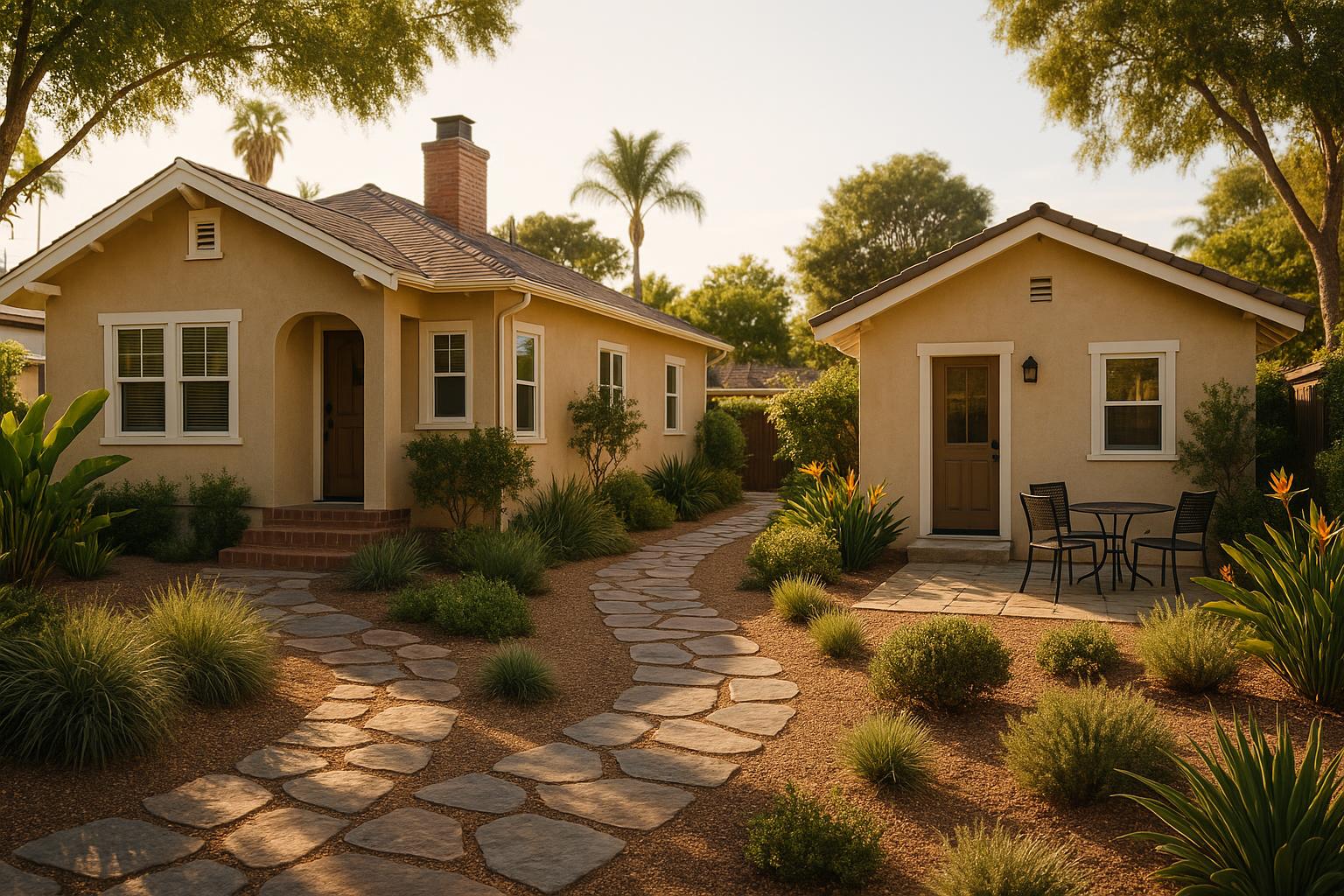
Why Multi-Generational Living Is Growing in San Diego
San Diego's housing costs have pushed many families to rethink how they live. Rather than stretching budgets across two or three separate households, more parents, adult children, and grandparents are choosing to share a single property. According to the Pew Research Center, roughly 18 percent of Americans now live in multi-generational households — and in high-cost coastal cities like San Diego, that number trends even higher.
The good news is that living together doesn't mean sacrificing privacy or comfort. With thoughtful remodeling — whether it's a home addition, an accessory dwelling unit, or a strategic interior renovation — you can create a home that works beautifully for everyone under one roof.
Step 1: Define What Each Generation Actually Needs
Before you call a contractor or sketch a floor plan, sit down with every member of the household and have an honest conversation. The details matter more than you might expect.
- Aging parents may need a bedroom and full bathroom on the ground floor, wider doorways, grab bars, and step-free entries.
- Young adults often want a private entrance, a small kitchenette, and enough separation to feel independent.
- Families with small children might prioritize an open kitchen-living area, durable finishes, and a fenced outdoor space.
Understanding these needs upfront prevents costly mid-project changes and ensures the finished home genuinely serves everyone.
Step 2: Choose the Right Remodeling Approach
There's no single blueprint for a multi-generational home. The best approach depends on your property's layout, your budget, and San Diego's local zoning rules. Here are the most common paths families take.
Accessory Dwelling Units (ADUs)
An ADU — sometimes called a granny flat or casita — is a fully independent living space built on your existing property. It typically includes a bedroom, bathroom, kitchen, and private entrance. California's ADU-friendly legislation has made these units easier and faster to permit, especially in San Diego where the city has streamlined the approval process.
ADUs are ideal when a family member wants genuine independence while staying close. They also add significant property value, which is a smart long-term investment in the San Diego real estate market.
Garage Conversions
If you have an attached or detached garage you rarely use, converting it into a living suite can be one of the most cost-effective options. A well-executed garage conversion can include a full bathroom, a compact kitchen, and comfortable living and sleeping areas — all within the existing footprint of your home.
Home Additions
When your lot allows it, building an addition gives you the most design flexibility. You can add a full bedroom-and-bathroom suite on the ground floor for aging parents, or build upward with a second-story addition to create space for a growing family. In neighborhoods like La Mesa, El Cajon, and Chula Vista, many single-story homes sit on lots with room to expand.
Interior Reconfiguration
Sometimes the square footage is already there — it just needs to be reorganized. Removing a wall between two small bedrooms to create a primary suite, adding a second kitchen or wet bar, or converting a formal dining room into a private bedroom can transform a standard home into a multi-generational one without a major structural addition.
Step 3: Design for Privacy and Togetherness
The most successful multi-generational homes balance shared spaces with private retreats. Here are design principles that make a real difference.
- Separate entrances: Even if living spaces share a wall, a private door to the outside gives each household a sense of autonomy.
- Sound insulation: Upgrading insulation between shared walls and floors prevents noise from becoming a daily frustration.
- Shared outdoor living: San Diego's year-round mild weather makes patios, courtyards, and outdoor dining areas natural gathering spots where generations can come together on their own terms.
- Dual kitchen areas: A full second kitchen or even a well-equipped kitchenette prevents scheduling conflicts and respects different cooking habits and dietary needs.
Step 4: Think About Accessibility Now, Not Later
Even if no one in the household currently has mobility challenges, building with accessibility in mind is far cheaper during construction than retrofitting later. Consider these features from the start:
- At least one zero-threshold entry
- A ground-floor bedroom with an adjacent full bathroom
- Wider hallways and doorways (36 inches minimum)
- Lever-style door handles and rocker light switches
- A curbless shower with a bench seat
These features aren't just practical for aging family members — they make a home more comfortable and more marketable for any future buyer.
Step 5: Understand San Diego's Permitting Landscape
San Diego has been proactive about supporting multi-generational housing. The city's updated ADU ordinance allows homeowners to build both a standard ADU and a junior ADU on a single-family lot, which means you could potentially add two independent living spaces to your property.
That said, permitting still involves navigating setback requirements, height limits, utility connections, and design review — especially in communities like Coronado and National City that may have additional local guidelines. Working with a contractor who has deep experience pulling permits in the San Diego area can save you months of delays and unexpected costs.
Step 6: Budget Realistically
Multi-generational remodeling projects in San Diego vary widely in cost depending on scope. A garage conversion might start around $80,000 to $120,000, while a detached ADU can range from $150,000 to $300,000 or more. Home additions typically fall somewhere in between, depending on size and complexity.
A few budgeting tips that help families stay on track:
- Get a detailed scope of work before signing any contract. Vague estimates lead to surprise change orders.
- Set aside a 10-15 percent contingency for unexpected issues like outdated plumbing or electrical panels that need upgrading.
- Ask about phased construction if budget is tight. Some families build the ADU first and tackle the interior renovation the following year.
A Home That Grows With Your Family
Remodeling for multi-generational living isn't just about adding square footage — it's about designing a home that strengthens family connections while respecting everyone's need for space. In a city like San Diego, where housing costs make every square foot valuable, a well-planned renovation can be the smartest investment a family makes.
At Red Cedar ADU, we've helped families across San Diego, Chula Vista, La Mesa, El Cajon, and the surrounding communities design and build multi-generational living spaces that truly work. If you're considering bringing your family closer together — literally — we'd love to help you figure out the best path forward. Reach out for a free consultation, and let's talk about what's possible on your property.