
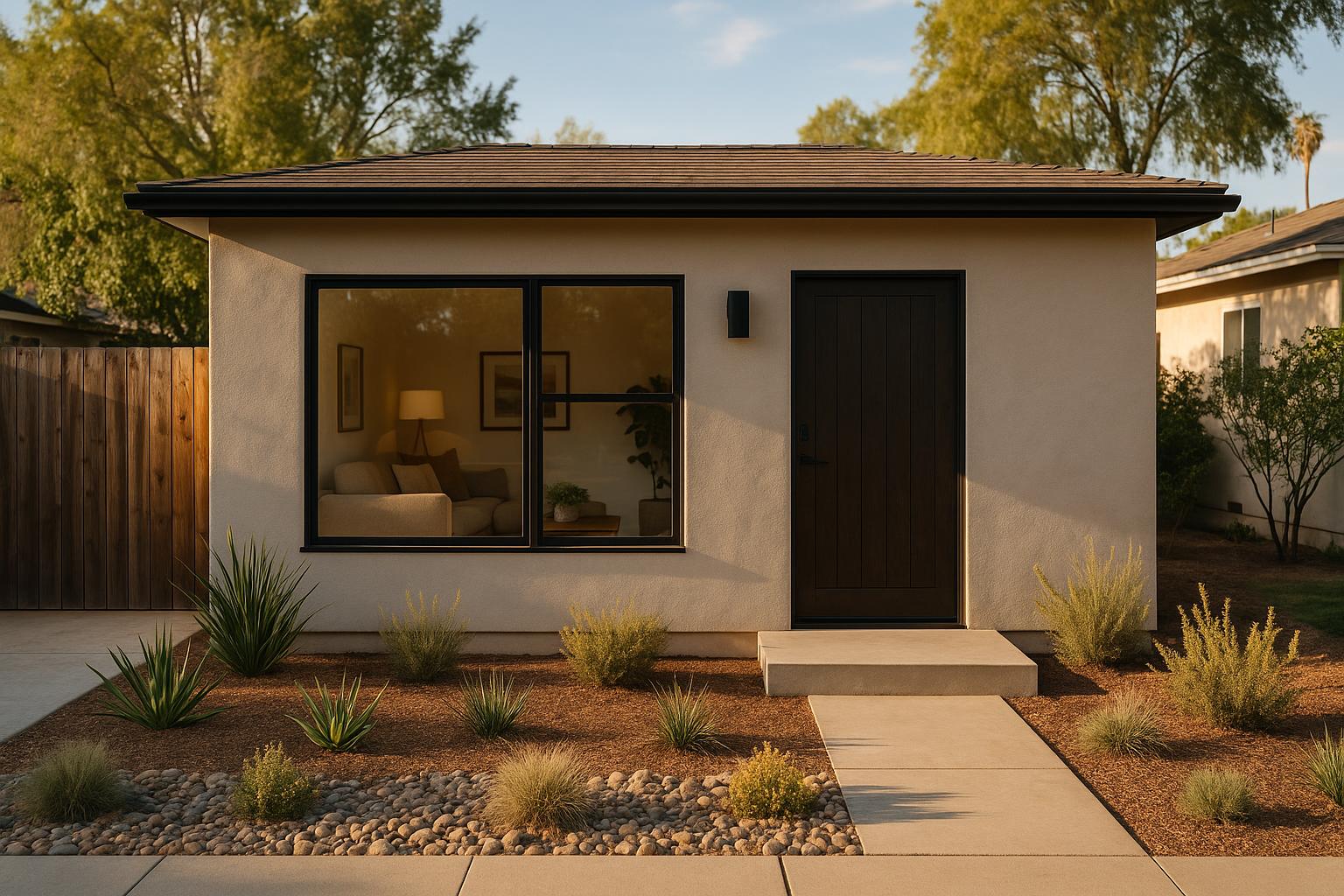
Your Garage Might Be the Most Underused Space in Your Home
If you're like most San Diego homeowners, your garage has slowly become a catch-all for holiday decorations, old furniture, and boxes you haven't opened since you moved in. Meanwhile, you're short on living space, paying rising rents for a family member's apartment, or wishing you had a home office that didn't double as a dining table.
A garage conversion is one of the most practical and cost-effective ways to add functional square footage to your home. Whether you want a rental unit, a private suite for an aging parent, or a dedicated workspace, converting your existing garage can deliver serious value — often at a fraction of the cost of building from scratch.
But before you start clearing out those storage bins, there are some important things to understand. Here's what San Diego homeowners should know before starting a garage conversion project.
Is a Garage Conversion Right for You?
A garage conversion makes sense when you need more livable space but don't have the lot size or budget for a full addition. Since the structure already exists — with a foundation, walls, and a roof — you're essentially finishing an interior rather than building one from the ground up.
Common reasons homeowners in San Diego pursue garage conversions include:
- Creating a rental unit or ADU to generate passive income
- Adding a guest suite or in-law unit for family members
- Building a home office or studio for remote work or creative projects
- Gaining a bedroom or living area as the family grows
That said, a garage conversion isn't always the best fit. If your garage has significant structural issues, or if you rely heavily on covered parking, it's worth weighing your options carefully. A good contractor will help you evaluate whether a conversion or a different approach — like a detached ADU or home addition — makes more sense for your situation.
Understanding San Diego Permits and Regulations
One of the biggest questions homeowners ask is whether they need a permit for a garage conversion. The short answer: yes. In the City of San Diego and surrounding areas like Chula Vista, La Mesa, and El Cajon, converting a garage into habitable space requires building permits and must comply with local zoning codes.
California has made it significantly easier to convert garages into accessory dwelling units in recent years. State laws like SB 9 and AB 68 have reduced many of the barriers that previously made these projects difficult, including relaxed parking requirements and streamlined approval processes.
Here's what you'll generally need to address during the permitting process:
- Zoning compliance: Confirming that your property is eligible for the type of conversion you're planning
- Building code requirements: Meeting standards for ceiling height, ventilation, egress windows, insulation, and fire safety
- Utility connections: Planning for electrical upgrades, plumbing (if adding a bathroom or kitchenette), and HVAC
- Setback and lot coverage rules: Ensuring the converted space meets local requirements for distance from property lines
Navigating permits can feel overwhelming, but working with a contractor who has experience with San Diego's specific requirements makes the process far smoother. At Red Cedar ADU, we handle the permitting process for our clients so nothing falls through the cracks.
What Does a Garage Conversion Actually Involve?
From the outside, a garage conversion might look simple — just finish the inside, right? In reality, turning a garage into a comfortable, code-compliant living space involves several key steps:
1. Foundation and Floor Work
Most garage floors are bare concrete and sit slightly lower than the rest of the home. Depending on the project, you may need to level the floor, add moisture barriers, install insulation, and lay new flooring to bring the space up to residential standards.
2. Walls and Insulation
Garage walls are typically unfinished or minimally insulated. Converting to livable space means adding proper insulation, framing out the walls, and installing drywall. If you're replacing the garage door with a solid wall, that's a significant structural element that needs to be done correctly.
3. Electrical and Plumbing
A standard garage has minimal electrical outlets and no plumbing. Your conversion will need upgraded wiring, additional outlets, lighting, and — if you're adding a bathroom or kitchen — new plumbing lines. This is one of the areas where costs can vary the most depending on your plans.
4. Heating, Cooling, and Ventilation
San Diego's climate is mild, but garages can get surprisingly hot in summer and cold on winter nights. Proper HVAC — whether it's a mini-split system, ducted extension, or another solution — is essential for year-round comfort.
5. Windows, Doors, and Natural Light
Building codes require habitable rooms to have a certain amount of natural light and ventilation. Adding windows and a proper entry door not only satisfies code but transforms the space from feeling like a garage into feeling like a real room.
How Much Does a Garage Conversion Cost in San Diego?
Cost is always top of mind, and the honest answer is that it depends on the scope of your project. A basic single-car garage conversion in San Diego might start around $40,000 to $60,000, while a full two-car garage conversion with a bathroom, kitchenette, and high-end finishes can run $80,000 to $150,000 or more.
Key factors that influence cost include:
- The size of the garage
- Whether you're adding plumbing (bathroom, kitchen)
- The extent of electrical and HVAC work needed
- Finish level — basic versus custom materials
- Permit and design fees
Compared to a ground-up ADU or a full home addition, a garage conversion typically costs less per square foot because you're working within an existing structure. For many homeowners in National City, Coronado, and throughout the San Diego area, this makes it an attractive middle ground between a simple remodel and new construction.
Will a Garage Conversion Add Value to Your Home?
In most cases, yes. Adding livable square footage — especially a permitted, code-compliant unit — increases your home's appraised value. If the conversion is set up as a legal ADU with a separate entrance, bathroom, and kitchenette, it can also generate rental income, which is increasingly valuable in San Diego's competitive housing market.
The key is doing the work properly. An unpermitted or poorly executed conversion can actually hurt your home's value and create problems when you try to sell. Always work with a licensed contractor and pull the necessary permits.
Getting Started the Right Way
A garage conversion is one of the smartest investments a San Diego homeowner can make — but only when it's planned and executed with care. The difference between a conversion that feels like a finished garage and one that feels like a natural extension of your home comes down to thoughtful design, quality craftsmanship, and attention to the details that matter.
At Red Cedar ADU, we specialize in helping homeowners throughout San Diego turn underused spaces into something extraordinary. From initial design through final walkthrough, we keep the process transparent, the communication clear, and the craftsmanship honest.
If you're considering a garage conversion and want to understand your options, reach out to us for a free consultation. We'll walk your space, talk through your goals, and give you a clear picture of what's possible.